
When your old system gives out during a freezing Ogden cold snap or right as the summer heat rolls in, replacing it can feel like a big step. Many homeowners worry about how disruptive installation day will be, how long the house will be without heating or cooling, and whether the new system will truly solve the problem.
The good news is that a professional HVAC installation should be organized, predictable, and focused on long-term comfort. In a place like Ogden, where homes deal with cold winters, hot weather, dry air, and elevation-related performance considerations, proper sizing and code-compliant installation matter even more.
At Royal Total Home Services, we deliver the Royal Treatment with personal, professional service backed by local expertise. Since 2016, homeowners in Ogden and nearby communities have trusted our team for dependable heating and cooling solutions designed to keep homes comfortable, safe, and running efficiently.
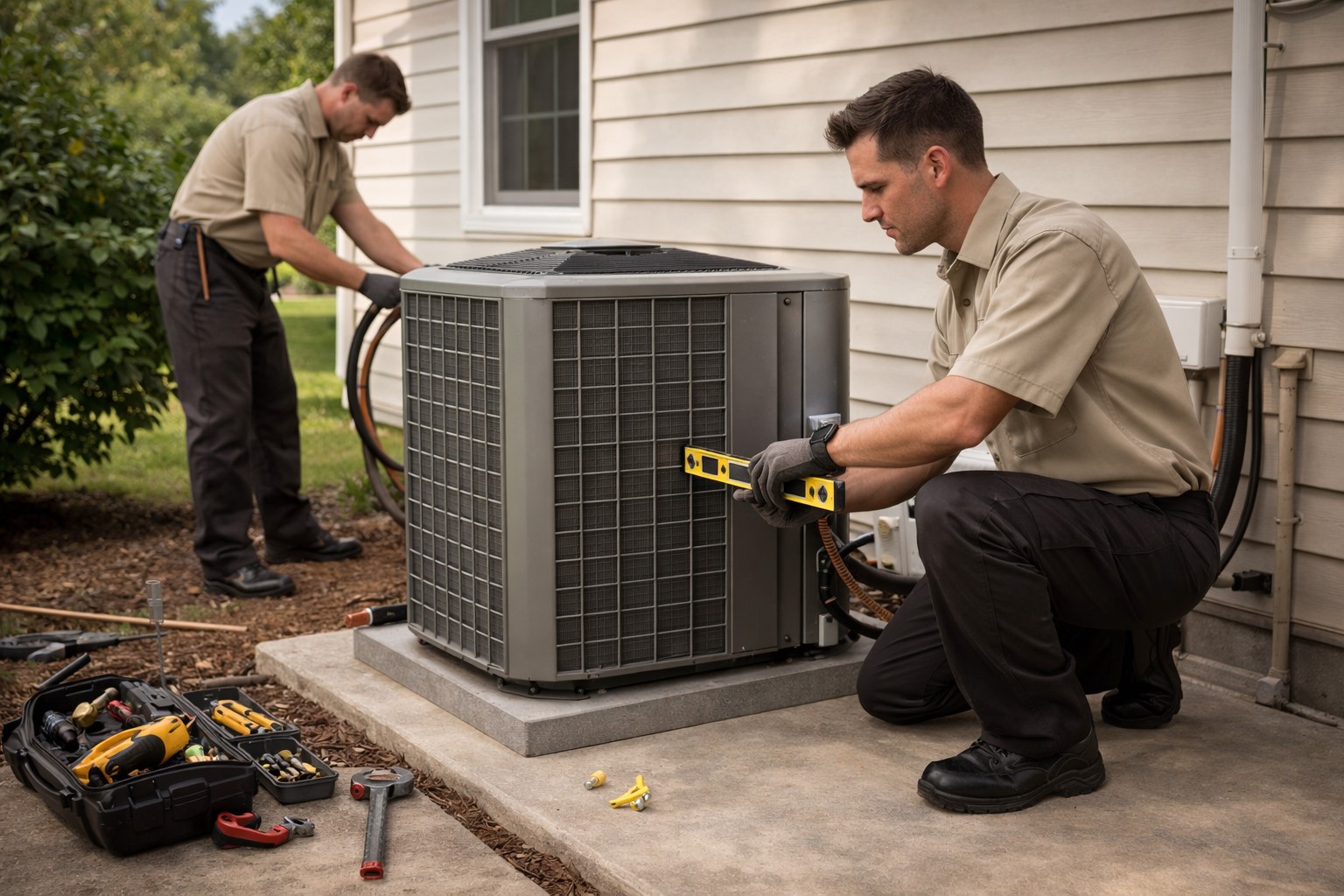
Why Homeowners in Ogden Need to Understand the Installation Process
Many homeowners assume HVAC installation is just a quick equipment swap. In reality, a quality installation involves much more than replacing one unit with another. The best results start with load calculations, home evaluation, airflow planning, electrical checks, and final testing.
That matters in Ogden because your HVAC system has to perform through major seasonal swings. If the system is not properly matched to your home, it can lead to:
- Uneven temperatures
- Higher energy bills
- Short cycling
- Premature equipment wear
- Poor airflow in key rooms
Understanding what happens during installation helps you know what to expect and why every step matters.
What Happens During HVAC Installation?
A professional HVAC installation follows a clear process designed to help your new system perform safely, efficiently, and reliably. While every home is a little different, most installations include the same core steps from evaluation and preparation to testing and final walkthrough.
- In-Home Evaluation and System Sizing Come First
Before installation day, a technician should inspect your home and evaluate important factors such as square footage, insulation levels, ductwork condition, and any ongoing comfort issues. This is the stage where proper system sizing happens, and for Ogden homeowners, that matters because a system that is too large or too small may struggle to keep up with the local climate, reduce efficiency, and leave parts of your home uncomfortable.
- The Installer Confirms Equipment, Scope, and Code Requirements
Once the right system has been selected, your installer should confirm the full project scope and make sure every part of the job is accounted for. Depending on your home, that could include equipment replacement, thermostat upgrades, duct modifications, indoor air quality add-ons, or electrical updates. This planning step helps reduce delays, avoid compatibility issues, and support code-compliant installation.
- Your Home Gets Prepared for Installation Day
On installation day, the crew will usually protect the work areas and prepare access to both the old and new equipment. You may be asked to clear space around the units, secure pets, move fragile items, and provide access to attics, basements, or utility rooms. You should also expect some noise, technician movement, and a temporary interruption to heating or cooling while the system is being replaced.
- The Old HVAC Equipment Is Safely Removed
Next, the team disconnects and removes the old HVAC system. This may involve shutting off power, disconnecting refrigerant lines, and removing components such as the furnace, air handler, outdoor condenser, or indoor coil. Safe removal is an important part of the process because leaving behind incompatible components or rushing through removal can affect how well the new system performs.
- The Installation Area Is Prepared
Before the new equipment goes in, the installation area may need adjustments. Depending on the setup, installers may level the outdoor surface, adjust the equipment pad, seal duct connections, check drainage, and confirm electrical readiness. This step may not be the most visible part of the project, but it has a big impact on long-term reliability and efficiency, since a rushed setup can lead to vibration, airflow loss, drainage issues, or electrical problems later.
- The New HVAC System Is Installed and Connected
This is the phase most homeowners picture, but it is only one part of the overall installation. During this step, installers may set the new indoor and outdoor equipment in place, connect refrigerant lines, update wiring, install or connect the thermostat, and tie the system into the ductwork and drainage system. With the right installation approach, each component works together to support dependable performance and worry-free comfort.
- Airflow, Controls, and Safety Settings Are Checked
Professional installation is not complete just because the equipment is physically in place. The crew should also verify thermostat communication, heating and cooling operation, airflow balance, electrical safety, and drainage performance. These checks help make sure your new system starts off running safely, efficiently, and consistently.
- The System Is Tested and Commissioned
After setup, the installer should run the system and confirm it is operating properly under real conditions. Final testing may include startup procedures, temperature checks, refrigerant verification, electrical readings, safety control checks, and thermostat calibration. A quality HVAC installation does not end when the equipment is connected, and final testing helps confirm the system is ready to perform the way it should.
- You Receive a Final Walkthrough
Before the job is complete, a quality installer should walk you through how the new system works. This usually includes thermostat instructions, filter replacement timing, normal sounds or cycles, basic homeowner-safe maintenance, and warranty expectations. This final step helps you feel confident using your new HVAC system from day one.
What to Do Before Your HVAC Installation
A little preparation can help installation day go more smoothly. Use this checklist before the crew arrives:
- Clear easy-to-reach space around indoor and outdoor equipment without moving heavy items or handling HVAC components
- Make sure pets are secured
- Remove stored items from utility or mechanical areas
- Ask where installers will need entry access
- Confirm whether the system will be off for most of the day
- Write down any comfort issues you want addressed, such as uneven room temperatures or weak airflow
Sharing those details with your technician can help improve the final setup and make sure long-standing comfort concerns are not overlooked.
How Long Does HVAC Installation Usually Take?
Most standard residential HVAC installations are completed in a single day. More involved projects can take longer if they include ductwork changes, electrical upgrades, thermostat rewiring, or added indoor air quality equipment.
Your installer should explain the project timeline before work begins so you know what to expect.
Why Proper Installation Matters So Much in Ogden
Ogden homeowners need a system that can handle more than one season, especially with the area’s cold winters, hot weather, dry air, and elevation-related performance factors. A properly installed system can help reduce high utility bills, weak heating during winter cold snaps, excess wear from short cycling, poor airflow in upstairs or distant rooms, and early comfort complaints. When installation is done right, your HVAC system is better positioned to deliver efficient, reliable comfort throughout the year.
Why Maintenance Still Matters After Installation
Even a brand-new HVAC system needs routine care. Without proper maintenance, efficiency can drop over time, airflow can suffer, and small issues may turn into expensive repairs.
Installation is the first step, but ongoing maintenance helps protect the comfort, performance, and reliability you expect from your investment.
How Maintenance Protects Your New HVAC Investment
Seasonal maintenance helps keep your system efficient and dependable by improving airflow, reducing wear, and catching smaller problems early. Regular service can help lower energy waste, reduce surprise breakdowns, support long-term performance, and extend system life over time. Royal Total Home Services also offers a maintenance program with benefits such as priority service, annual maintenance checks, and repair-related savings to help homeowners stay ahead of costly issues.
Why Homeowners Choose Royal Total Home Services for HVAC Installation in Ogden
Homeowners throughout Ogden and surrounding areas choose Royal Total Home Services because they want local expertise, dependable workmanship, and respectful service from a team that understands Northern Utah homes.
Since 2016, our team has focused on personal and professional service with a commitment to high-quality repairs, maintenance, and installations. We serve Ogden and nearby communities including North Ogden, Roy, Layton, Clearfield, Bountiful, and West Haven.
When you work with Royal Total Home Services, you can expect the Royal Treatment—clean workspaces, transparent communication, and professional care designed to help you feel confident from start to finish.
FAQs About HVAC Installation in Ogden, UT
Question: How long does HVAC installation take?
Answer: Most residential HVAC installations take about one day to complete. Projects that involve ductwork changes, electrical upgrades, or added accessories may take longer.
Question: Do I need to leave my home during HVAC installation?
Answer: Usually, you can stay in your home during the installation process. However, you should expect noise, technician movement, and temporary interruptions to heating or cooling.
Question: What happens before the new unit is installed?
Answer: Before installation begins, the contractor should inspect your home and properly size the new system. They should also confirm the project scope and prepare the work area for a smooth installation.
Question: Will the installer remove my old HVAC system?
Answer: Yes, professional HVAC installation typically includes removing the old system. The crew will usually disconnect the equipment safely and dispose of outdated components properly.
Question: Why is system sizing important?
Answer: System sizing is important because an oversized or undersized unit can create performance problems. A poorly sized system may short-cycle, waste energy, and leave parts of your home uncomfortable.
Question: Are permits or code requirements part of HVAC installation in the Ogden area?
Answer: Yes, permits or code requirements may be part of an HVAC installation in the Ogden area. Licensed installers should follow local regulations and inspection standards throughout the project.
Schedule Your HVAC Installation With a Local Team You Can Trust
Still have questions about HVAC installation in Ogden? Royal Total Home Services is here to help with dependable service, local expertise, and the Royal Treatment from start to finish. Whether you are replacing an older system or planning for improved comfort, our team is ready to guide you through the process with clear communication and professional care.
Reach out today to request an estimate or schedule service with a local team you can trust.