Basement flooding can happen fast, especially in areas like Ogden where spring snowmelt and seasonal storms can quickly saturate the ground. When water starts seeping into your basement or crawl space, a sump pump becomes one of your home’s most important lines of defense against water damage, mold growth, and foundation-related moisture issues.
Many homeowners ask the same question when they start planning for protection:
Should you install a sump pump yourself or hire a professional?
At Royal Plumbing, Heating & Air, we help Ogden homeowners protect their homes with properly installed sump pump systems. Choosing the right installation method can affect not only your upfront cost, but also the long-term reliability of the system when you need it most.
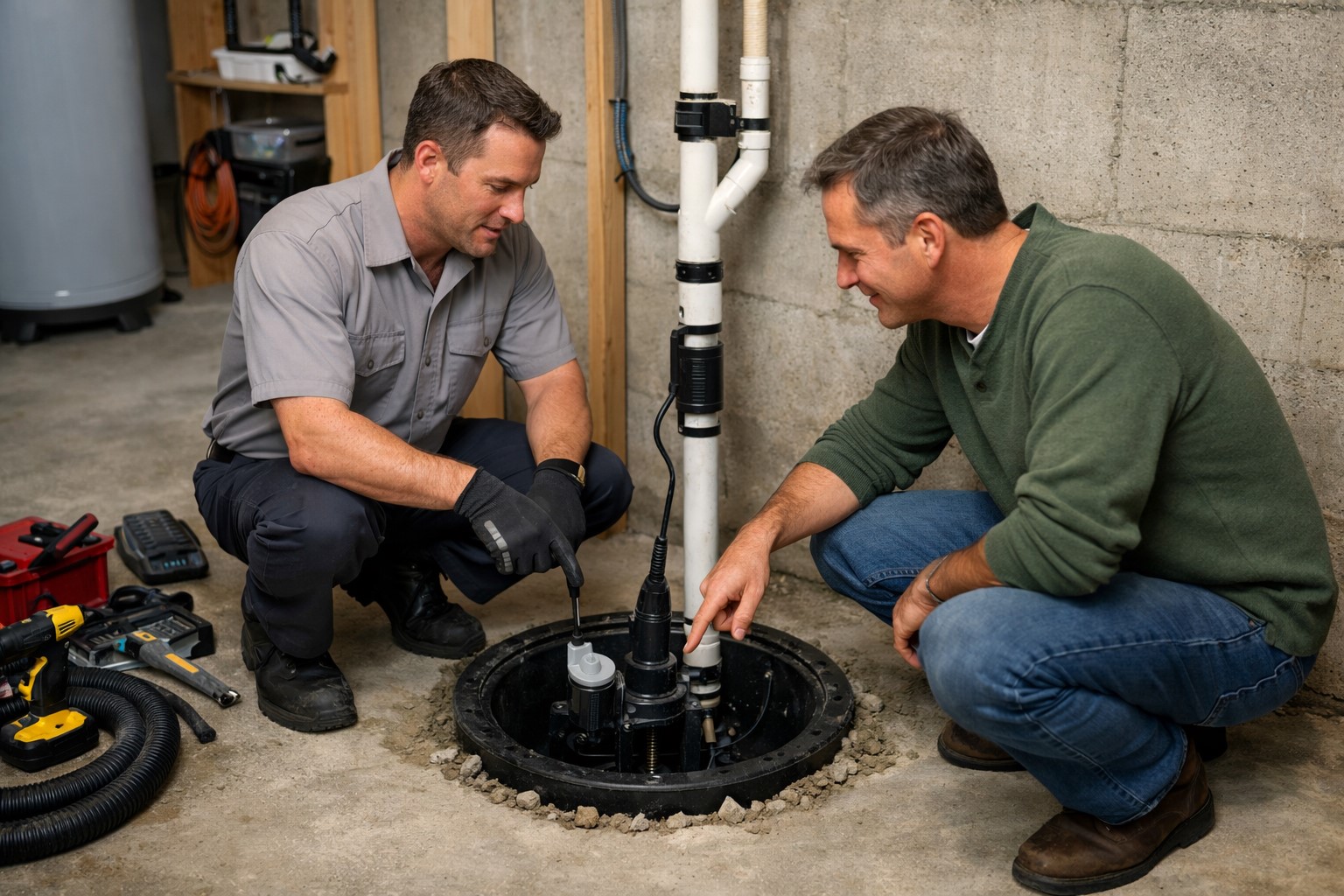
DIY vs. Professional Sump Pump Installation: Cost Breakdown
One of the biggest reasons homeowners consider DIY sump pump installation is the potential to save money. In limited situations, that may be possible. However, the total cost depends on several factors, including whether a sump pit already exists and how complex the drainage setup needs to be.
Most sump pump installations cost between $500 and $4,000, with many homeowners paying around $1,200 for a complete setup depending on materials, labor, and system design.
Here’s how DIY and professional installation typically compare.
DIY Sump Pump Installation Cost
DIY sump pump installation is usually less expensive upfront, but it generally works best only in very simple situations. Even then, it can involve important safety, code, and performance risks. The main costs usually include the sump pump unit itself, which may range from $50 to $500 depending on horsepower, build quality, and pump type, along with basin or sump pit materials that typically cost $100 to $400. Homeowners may also need discharge piping and fittings, which can add another $50 to $200, as well as any extra tools, installation materials, or permit costs required for the project.
In total, a DIY sump pump installation often costs between $200 and $1,000 or more, depending on the equipment selected and the complexity of the setup. While installing a system yourself may appear manageable, there are several risks that can lead to higher costs later, including incorrect pump sizing, poorly installed drainage piping, electrical safety concerns, local plumbing code violations, and improper pump placement that reduces efficiency. Mistakes in any of these areas can increase the risk of basement flooding, premature pump failure, or expensive water damage repairs. For many homeowners, a DIY installation saves money only at the beginning, not over the life of the system.
Professional Sump Pump Installation Cost
Hiring a licensed professional generally costs more upfront, but it helps ensure the system is installed safely, correctly, and in compliance with local code requirements. Professional installation costs often include the sump pump equipment itself, which usually ranges from $100 to $500 depending on the pump type and capacity, along with labor that may range from $300 to $4,000 based on the complexity of the project. If a new sump pit must be created, that can add another $500 to $2,500, and any drainage improvements such as discharge upgrades or related water management work may also increase the overall price.
Overall, most homeowners spend between $1,200 and $4,000 for a professionally installed sump pump system. Professional installation also helps ensure proper pump sizing for the home, correct discharge routing away from the foundation, safe electrical connections, compliance with applicable Utah code requirements, and reliable operation during storms and snowmelt events. At Royal Plumbing, Heating & Air, our team provides the personal and professional service homeowners need when flood protection matters most. A properly installed sump pump system gives your home stronger, more reliable protection when heavy water intrusion occurs.
Factors That Affect Sump Pump Installation Cost
No two homes are exactly the same, which is why sump pump installation costs can vary significantly from one property to another. Basement layout, foundation type, drainage conditions, and pump selection all influence the final price.
Because of these differences, estimates often vary depending on the specific needs of the home.
Existing vs. New Installation
One of the biggest pricing factors is whether the project involves replacing an existing sump pump or installing a completely new system. Replacing an older unit is usually more affordable because the sump pit, discharge piping, and electrical connections may already be in place, allowing technicians to remove the old unit and install the new one with less labor. A new installation typically costs more because it may require creating a sump pit in the basement floor, installing drainage lines, routing discharge piping away from the home, and making electrical adjustments for safe operation.
Basement or Crawl Space Conditions
The condition of your basement or crawl space can also affect installation difficulty and labor cost. Dirt crawl spaces are often easier and less expensive to work in, while concrete basement floors may require more labor to cut and prepare. Finished basements can also increase costs because additional work may be needed to access the foundation and restore the area afterward. In general, the more preparation and restoration involved, the higher the total project cost may be.
Pump Type and Horsepower
The type of sump pump and its horsepower rating also play a major role in total installation cost. A 1/4 horsepower pump is often used in homes with lighter water intrusion, while a 1/3 horsepower pump is a common choice for many standard residential applications. Homes with heavier groundwater issues or frequent flooding may require a 1/2 to 3/4 horsepower pump, which typically costs more but can move larger volumes of water more quickly during severe weather.
Drainage System Requirements
In some homes, installing a sump pump may also require related drainage improvements to help manage water more effectively. These upgrades can include interior drainage channels, exterior discharge line improvements, French drains, or battery backup systems that keep the pump operating during power outages. While these additions can raise the total installation cost, they can also improve the overall effectiveness and dependability of the system.
What to Do If You Notice Flooding Risks
If you think your home may need better flood protection, taking action early can help prevent larger problems later. The checklist below can help you identify warning signs and decide whether a sump pump installation or upgrade may be needed.
Step 1: Inspect your basement or crawl space
Inspect your basement or crawl space for common signs of water intrusion, including standing water, damp walls, musty odors, or visible mold growth. These warning signs often suggest that groundwater is entering the home or that your current drainage system is not performing the way it should. Catching these issues early can help reduce the risk of structural damage and indoor air quality concerns.
Step 2: Check your existing sump pump
Check your existing sump pump for signs of trouble, such as failure to turn on, strange grinding or rattling noises, frequent cycling during minor rain, or an age of more than 10 years. While homeowners can look for obvious warning signs, testing, diagnosis, and service are best handled by a qualified professional to help ensure safe operation.
Step 3: Schedule a professional inspection
Schedule a professional inspection so a qualified plumber can evaluate the right pump size for your home, determine the best sump pit location, identify whether drainage improvements are necessary, and recommend a backup pump system if needed. A professional inspection can help homeowners avoid costly flooding by making sure the system is designed and installed properly from the start.
How Regular Maintenance Can Prevent Expensive Repairs
Regular sump pump maintenance helps ensure your system works when you need it most.
Routine service can help:
- Prevent pump failure during storms
- Extend equipment lifespan
- Improve drainage system efficiency
- Identify worn parts before they fail
- Catch clogged discharge lines or electrical concerns early
Even a properly installed sump pump should be inspected annually to confirm it is still operating reliably during heavy rain and seasonal snowmelt.
For homeowners who want dependable flood protection, maintenance is not just a recommendation. It is part of protecting the investment in the system and the home itself.
Ogden Snowmelt Can Increase Basement Flooding Risks
In Northern Utah, spring snowmelt can saturate the ground quickly and increase hydrostatic pressure around the foundation. That pressure can force water into basements and crawl spaces, especially if drainage conditions are poor or the sump pump system is underperforming. A properly installed sump pump helps move excess water safely away from the home and can reduce the risk of basement flooding, moisture damage, mold growth, and foundation-related water issues. When snowmelt and storms hit, having the right system in place can make a major difference.
FAQs About Sump Pump Installation in Ogden, UT
Question: How much does sump pump installation cost in Ogden?
Answer: Most installations cost $1,200 to $4,000, depending on pump type, drainage requirements, and whether a new sump pit must be installed. Costs can vary based on the size of the pump, the complexity of the installation, and whether additional drainage improvements are needed.
Question: Is it cheaper to install a sump pump yourself?
Answer: DIY installation may cost $200–$1,000, but mistakes can lead to flooding, safety hazards, or code violations that cost more to fix. Many homeowners choose professional installation to help ensure the system is properly sized, safely connected, and compliant with local building codes.
Question: How long does sump pump installation take?
Answer: Professional installation typically takes 2–6 hours for replacements and 1–2 days for new installations requiring sump pit creation and drainage work. The exact timeframe depends on the condition of the basement, whether a sump pit already exists, and the complexity of the drainage system.
Question: Do sump pump installations require permits in Utah?
Answer: Some installations involving electrical or plumbing changes may require permits under Utah building regulations. A licensed professional can determine whether permits are needed and help ensure the installation meets all local codes and safety standards.
Question: How long do sump pumps last?
Answer: Most sump pumps last 7–10 years with proper maintenance. Regular inspections and routine servicing can help extend the life of the system and ensure it works reliably during heavy rain or snowmelt.
Protect Your Home From Flooding in Ogden, UT
A sump pump is not just another home appliance. It is a critical part of protecting your foundation, basement, and belongings from serious water damage.
While DIY installation may seem like the more affordable option, professional installation offers stronger long-term reliability, safer system setup, and better overall drainage performance.
When flooding risks increase, you need a system you can count on and a team that delivers the Royal Treatment with every service call.
Contact Royal Plumbing, Heating & Air today to schedule sump pump installation in Ogden and protect your home before the next storm moves in.