Utah homeowners depend on reliable heating and cooling systems to stay comfortable through freezing winters and dry, scorching summers. In many cases, homeowners researching air conditioning installation in Salt Lake City also want to understand how long a residential HVAC system should realistically last in Utah’s demanding climate.
On average, a residential HVAC system lasts between 10 and 15 years, depending on the type of system, maintenance habits, usage patterns, and environmental conditions. Utah’s unique climate can place additional stress on heating and cooling equipment, especially during periods of extreme temperature swings. Understanding the lifespan of your system can help you plan repairs, maintenance, or replacement before major breakdowns occur.
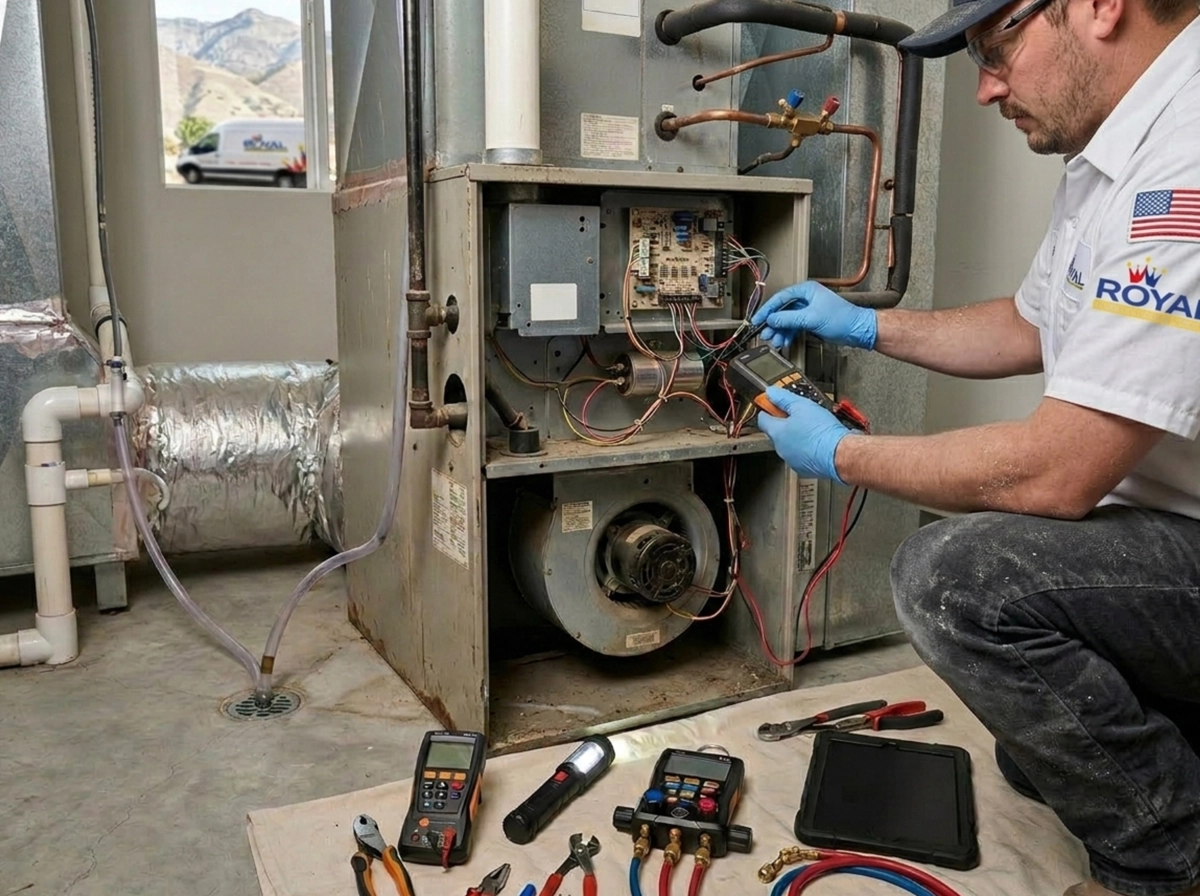
Factors That Affect HVAC Lifespan in Utah
Utah’s climate presents several challenges for HVAC systems. Summers are often hot and dry, while winters can bring freezing temperatures and heavy snowfall. These seasonal extremes force HVAC units to work harder throughout the year.
Several factors influence how long your system will last:
- Routine maintenance: Regular tune-ups nd inspections help meet estimated equipment lifespan.
- System quality: High-efficiency systems from trusted manufacturers typically last longer.
- Installation quality: Poor installation can reduce efficiency and cause premature wear.
- Frequency of use: Systems running constantly during peak seasons experience more strain.
Homeowners who schedule annual maintenance will see their systems reach their expected lifespan, compared to those who neglect service.
Typical Lifespans of HVAC Components
Different parts of your HVAC system may age at different rates. Here’s a general breakdown:
- Central air conditioners: 10–15 years
- Furnaces: 10–15 years
- Heat pumps: 10–15 years
- Thermostats: 10 years
- Ductwork: 20–25 years
If your system is approaching these ranges and requiring frequent repairs, replacement may be more cost-effective than continued maintenance.
Warning Signs Your HVAC System May Be Failing
An aging HVAC system usually shows warning signs before completely breaking down. Homeowners in Utah should watch for these common indicators:
- Rising energy bills
- Uneven temperatures throughout the home
- Frequent repairs
- Strange noises or odors
- Weak airflow
- Excessive dust or humidity issues
Older systems also tend to lose energy efficiency over time, which can significantly increase monthly utility costs.
Why Professional Installation Matters
Proper installation plays a major role in how long your HVAC system lasts. Incorrect sizing, poor airflow design, or improper refrigerant levels can shorten equipment life and reduce energy efficiency.
Working with experienced HVAC professionals ensures your system is designed for Utah’s climate and your home’s specific needs. Modern systems also offer improved efficiency ratings, quieter performance, and smart technology features that enhance comfort year-round.
Extend the Life of Your HVAC System
To maximize the lifespan of your residential HVAC system, homeowners should:
- Replace air filters every 1–3 months
- Schedule seasonal inspections
- Keep outdoor units free of debris
- Upgrade outdated thermostats
- Address small issues before they become major repairs
With proper care, many HVAC systems can perform efficiently for well over a decade, even in Utah’s challenging climate.
Reach out today to request an estimate or schedule service with a local team you can trust. Royal Comfort, Reliable Service.