
Imagine replacing your old HVAC system, only to wonder whether the new one will really keep up with Ogden’s freezing winters and hot summer days. A heat pump installation is a major home upgrade, and knowing what happens before, during, and after the job can make the process feel far less stressful.
At Royal Total Home Services, heat pump service includes installation, repair, and maintenance handled by certified technicians. From system design and home assessment to wiring, refrigerant connections, calibration, and a final homeowner walkthrough, every step should be planned around your home, your comfort goals, and your long-term efficiency. That is part of the Royal Treatment.
Why More Ogden Homeowners Are Choosing Heat Pumps
A heat pump provides both heating and cooling in one system by transferring heat rather than generating it. That makes it an energy-efficient alternative to separate furnaces and air conditioners, while still delivering dependable year-round comfort.
In Ogden, that matters. Homeowners are not just shopping for winter heat. They need a system that can keep up with cold-weather heating demand and still keep the home comfortable during the summer. A properly selected and installed heat pump can do both.
What to Expect Before Installation Starts
Before installation day arrives, the process should begin with planning, evaluation, and system selection. A professional heat pump installation is about much more than placing new equipment in your home.
- A Full Home Assessment Comes First
A proper installation should start with a detailed assessment of your home. Royal Total Home Services begins by calculating the heating and cooling load, evaluating existing ductwork, and discussing your family’s comfort preferences before recommending a system.
This step matters because an improperly sized or incorrectly installed heat pump can lead to higher energy bills, more breakdowns, uneven comfort, and a shorter system lifespan. Proper refrigerant charge and duct evaluation also play a major role in how efficiently the system performs.
- You Will Choose the Right Type of Heat Pump
Not every home needs the same setup. [(site_name)] states that homeowners may choose from air-source heat pumps, ductless mini-split heat pumps, or geothermal heat pumps depending on the home’s layout and comfort goals.
For many Ogden homes, the conversation usually comes down to whether a ducted system makes sense or whether a ductless solution is better for homes without existing ductwork, room additions, or zones that stay too hot or too cold.
- You May Discuss Rebates or Tax Credits
It is smart to ask about available incentives before the installation is scheduled. Royal Total Home Services notes that its team helps homeowners maximize available rebates during replacement planning.
Homeowners should also know that qualifying heat pumps may be eligible for a federal tax credit if they meet current efficiency requirements and other program rules. Eligibility depends on the equipment installed and the timing of the project, so it is worth reviewing current requirements during the estimate process.
What Happens on Installation Day
Installation day is when the planning turns into action. Homeowners can expect several important steps, all designed to make sure the new heat pump is installed safely and performs the way it should.
- Old Equipment May Be Removed First
If you are replacing an older system, the crew may begin by removing the existing unit and preparing the area for the new equipment. The exact work depends on what is already in place, but the goal is to create a clean, safe foundation for the new heat pump.
This is especially important when a home is transitioning from an aging or poorly performing setup.
- The Indoor and Outdoor Units Are Installed
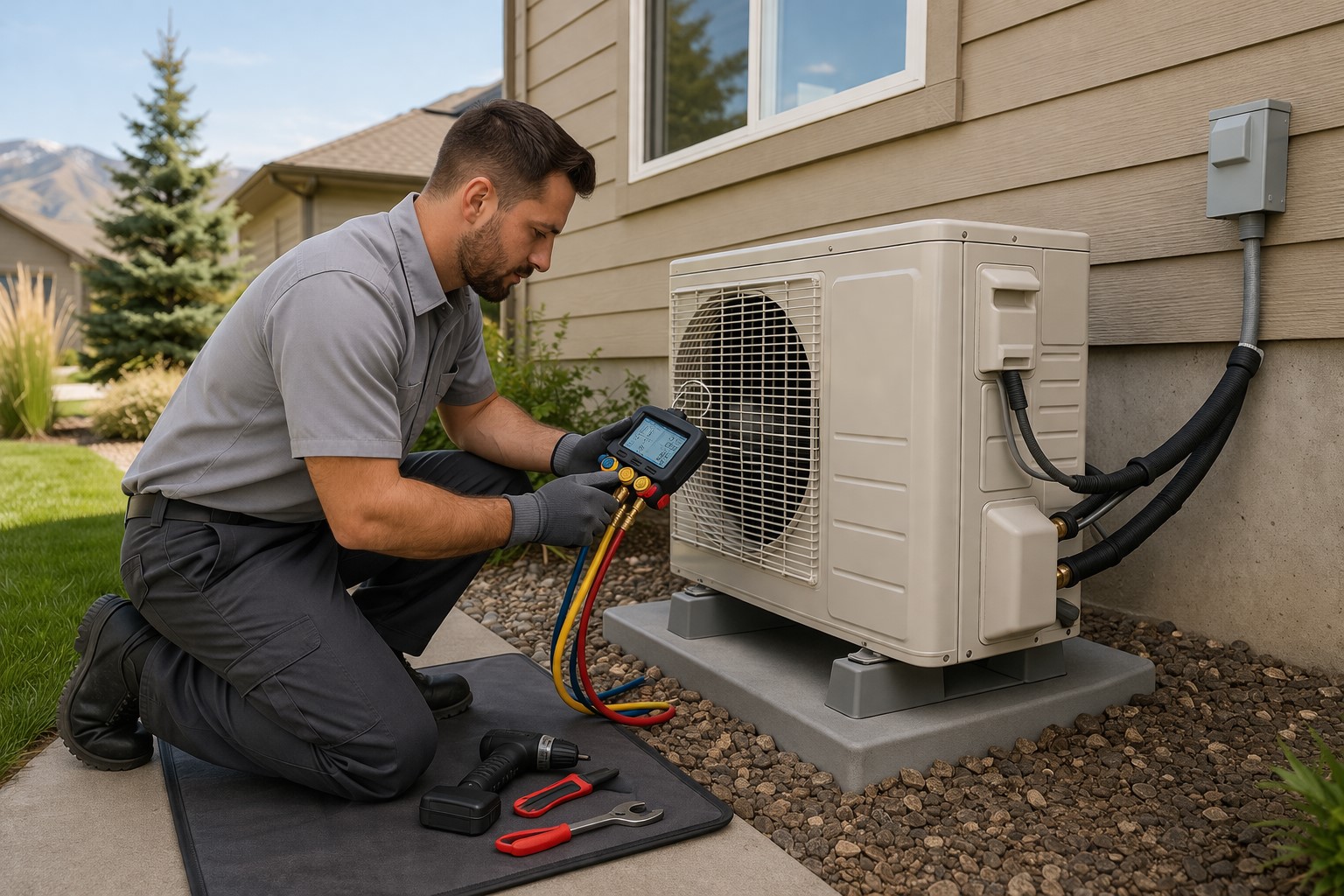
Royal Total Home Services handles placement of the outdoor and indoor units, connects refrigerant lines, and completes electrical wiring safely and correctly. This stage is critical because even high-efficiency equipment can underperform if the physical installation is rushed or careless.
- Ductwork or Air Distribution May Need Attention
Some homes are ready for a heat pump with minimal duct changes. Others need duct repairs, sealing, or airflow adjustments. Leaky ducts can waste energy and reduce comfort, which is why duct evaluation is such an important part of quality installation.
If your home has rooms that never feel comfortable, weak airflow, or older ductwork, this part of the project may require extra attention. It is better to solve those issues during installation than to deal with comfort problems later.
- The System Is Charged, Calibrated, and Tested
Once the equipment is in place, the system should be tested and calibrated for performance. Royal Total Home Services calibrates the system for optimal operation before the job is complete.
This testing stage is what helps separate a professional installation from a rushed one. It confirms that the system starts correctly, heats and cools properly, and delivers the comfort you expected when you made the investment.
- You Should Get a Homeowner Walkthrough
A professional installation should end with a walkthrough. Royal Total Home Services explains the system’s features and operation so homeowners feel confident using their new heat pump. During that walkthrough, you should learn how to use the thermostat, where to access and replace the filter if homeowner replacement is allowed by the manufacturer, what normal system operation sounds like, when to call for service, and how often maintenance should be scheduled.
How Long Does Heat Pump Installation Take?
Installation timelines vary based on the system type, ductwork condition, electrical needs, and whether the old system must be removed first. Some installations may be completed in about a day, while more complex projects can take several days.
For homeowners, the key point is simple: the fastest installation is not always the best installation. Careful load calculations, duct inspections, electrical review, and final commissioning are what protect comfort, efficiency, and equipment life.
What You Can Do to Prepare
Homeowners can help the installation go more smoothly by taking a few simple steps before the crew arrives:
- Clear space around the indoor and outdoor work areas so technicians can move safely and work efficiently
- Make sure the electrical panel, air handler, furnace closet, or utility room is easy to access
- Ask about thermostat upgrades, filter sizes, maintenance plans, and whether duct or electrical changes may be needed
- Leave wiring, refrigerant handling, equipment adjustments, and technical setup to licensed professionals
What to Do After the Installation
Once the installation is complete, pay attention to how the system performs during the first few days.
- Monitor comfort levels and make sure the system is heating and cooling evenly
- Report unusual noises, weak airflow, or rooms that still feel uncomfortable
- Learn the recommended service schedule before the next major heating or cooling season
- Schedule professional maintenance twice a year to help protect efficiency, performance, and long-term reliability
Why Proper Installation Matters
A heat pump installation is only as good as the setup behind it. Even high-efficiency equipment can waste energy if the refrigerant charge is incorrect or the ductwork has leaks. Poor installation can also lead to uneven temperatures, higher utility bills, and unnecessary wear on major components.
When the system is installed and tested properly, homeowners get better comfort, stronger efficiency, and more reliable performance year-round. That is why working with a local team that values clean workmanship, transparent communication, and precision matters.
How Regular Maintenance Protects Your New System
Once your heat pump is installed, maintenance becomes one of the best ways to protect your investment. Royal Total Home Services recommends routine professional care to help the system stay efficient, consume less energy, and avoid expensive failures. Seasonal service can help maintain efficient heating and cooling performance, catch airflow or refrigerant issues early, reduce wear on major components, keep utility costs from creeping upward, and extend overall system lifespan. Royal Total Home Services recommends professional maintenance twice a year, once in the spring and once in the fall, so your system is ready for both cooling and heating season.
The Value of Local Service in Northern Utah
For homeowners in and around Ogden, local experience matters. Royal Total Home Services serves Ogden and nearby Northern Utah communities, including North Ogden, Roy, Layton, Clearfield, and West Haven.
That local knowledge matters because installation decisions should reflect the region’s climate, seasonal temperature swings, and the comfort demands of homes in this area. When you work with a local team, you get recommendations built around the way Northern Utah homes actually perform through the year.
FAQs About Heat Pump Installation in Ogden, UT
Question: Is a heat pump a good fit for Ogden, UT?
Answer: Yes. Heat pumps provide both heating and cooling, which makes them a strong year-round option for Ogden’s cold winters and warm summers. They can be a practical choice for homeowners who want one system that helps manage comfort in every season.
Question: What should happen before a heat pump is installed?
Answer: A contractor should assess your home, calculate heating and cooling load, inspect ductwork, and help you choose the right system type. This early planning helps make sure the equipment is properly sized and installed for better comfort and efficiency.
Question: How long does heat pump installation take?
Answer: It depends on the home and scope of work. Some installations are completed in about a day, while more complex projects can take several days. The timeline can also increase if ductwork, electrical updates, or removal of old equipment is needed.
Question: Will my ductwork need to be replaced?
Answer: Not always. But it should be evaluated because leaky or poorly performing ducts can reduce comfort and waste energy. In some homes, simple repairs or sealing by a qualified HVAC professional may be enough instead of a full duct replacement.
Question: Are there tax credits for a new heat pump?
Answer: Potentially. Qualifying heat pumps may be eligible for a tax credit if they meet current efficiency requirements. Homeowners should ask about current eligibility rules during the estimate process so they understand what incentives may apply.
Question: How often should a heat pump be serviced?
Answer: Royal Total Home Services recommends professional maintenance twice a year — once in spring and once in fall. Regular service helps keep the system running efficiently and can reduce the risk of unexpected breakdowns.
What Homeowners Should Remember About Heat Pump Installation
A heat pump installation should not feel like a mystery. You should expect a home assessment, correct sizing, duct and airflow review, careful installation, system testing, and a clear walkthrough before the job is done. When every step is handled correctly, you get the comfort, efficiency, and reliability your home needs in Ogden’s changing seasons.
Ready to upgrade your home comfort system? Schedule your heat pump installation estimate with Royal Total Home Services today.